A world of delicious treasures is buried right in the middle of our busy cities, just waiting to be found by those with a keen eye and a sense of adventure. Urban foraging, the practice of gathering wild and edible plants from urban settings, offers a fresh perspective on how to enjoy the benefits of the concrete jungle while maintaining a connection to nature. We'll examine the fundamentals of urban foraging in this tutorial and offer advice to get you started on your own culinary adventure.
Let's start with the tools and equipment you could find handy when foraging in urban environment. These are merely a suggestion: foraging can be done just with bare hands and bit of a knowledge!
Before embarking on your urban foraging expedition, it's essential to equip yourself with a comprehensive toolkit that ensures not only your safety but also the health of the environment you'll be exploring. Whether you're a novice or a seasoned forager, having the right gear will enhance your experience and make your foraging journey more fruitful.
Let's start with the tools and equipment you could find handy when foraging in urban environment. These are merely a suggestion: foraging can be done just with bare hands and bit of a knowledge!
Before embarking on your urban foraging expedition, it's essential to equip yourself with a comprehensive toolkit that ensures not only your safety but also the health of the environment you'll be exploring. Whether you're a novice or a seasoned forager, having the right gear will enhance your experience and make your foraging journey more fruitful.
1. Gardening Gloves and Tools
When visiting metropolitan environments, your first line of defense should be a pair of robust gardening gloves. They limit any harm you might mistakenly do to fragile plants during harvesting in addition to shielding your hands from potential thorns and allergens. Consider packing a modest set of hand tools as well, like a pair of scissors or pruning shears. With the use of these instruments, you can delicately cut off plant portions without endangering the roots or general health of the plant.
2. Field Guidebook
Any urban forager needs a dependable field manual as a constant companion. This manual should be region-specific and include thorough descriptions and pictures of regional food plants. You'll get more adept at identifying plants and distinguishing between food and non-edible species as you become more familiar with the manual. Be sure to include information in your handbook on the areas and times of year in which these plants can be found.
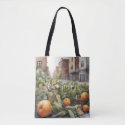
3. Reusable Tote Bag or Basket
For carrying your harvest, you must have a portable, lightweight tote bag or basket. Choose a bag that will fit your discoveries comfortably without crushing them. Avoid using plastic bags since they can make plants sweat and rapidly go bad. Choose a natural fiber bag instead, which promotes airflow and keeps your foraged treasures fresher longer.
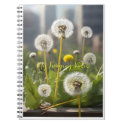
4. Notebook and Pencil
lA notebook and pencil, albeit not a typical item, might be immensely helpful for recording your foraging expedition. Use it to make notes about the names and characteristics of the plants you come across, as well as their locations and any unusual characteristics you see. Your journal develops into a personalized resource that you might use on subsequent foraging expeditions over time.
5. Smartphone and Camera
Your smartphone can be a useful tool for urban foraging in the current day. Use it to capture crisp images of plants whose identification you are uncertain, then compare them to your field guide or send them to knowledgeable foragers. The learning process is made more interactive by the availability of smartphone apps that aid in plant identification.6. First Aid Kit
When going on a foraging expedition, safety comes first. Be sure to have a basic first aid kit with all the necessary supplies, such as bandages, antiseptic wipes, tweezers, and any prescription prescriptions. Even though minor wounds, scrapes, or bug bites may appear less likely in urban settings, it's still necessary to be ready for them.
7. Knowledge and Respect
Your environmental awareness and knowledge are possibly your most valuable assets. Learn about foraging laws in your area to make sure you're allowed to harvest in the places you want to. By simply taking what you need and leaving the area as you found it, engage in ethical foraging. You aid in the preservation of these priceless oases of nature in our cities by respecting the delicate balance of urban ecosystems.
Remember, as you set out with these tools, that urban foraging is more than just harvesting food; it's also a voyage of connection, sustainability, and discovery. Each instrument has a function that advances your knowledge of the environment and enables you to tread softly while benefiting from what urban nature has to offer. So prepare your kit, enter the urban wilderness, and set off on a journey that promises to offer culinary delights as well as a closer relationship with your surroundings.
Remember, as you set out with these tools, that urban foraging is more than just harvesting food; it's also a voyage of connection, sustainability, and discovery. Each instrument has a function that advances your knowledge of the environment and enables you to tread softly while benefiting from what urban nature has to offer. So prepare your kit, enter the urban wilderness, and set off on a journey that promises to offer culinary delights as well as a closer relationship with your surroundings.
Comments
Post a Comment